An efficient and environmentally friendly foundation solution for diverse soil conditions, settlement issues, and construction demands with stable, industry-compliant CSA and ISO Certifications.
Helical piles have become a popular and highly effective deep foundation option.
They offer numerous advantages over traditional foundation systems, including a smaller environmental footprint, faster installation, and adaptability to various soil and environmental conditions.
Each pile consists of a steel pipe shaft with a 45° cut at the bottom and one or more helical plates welded to the exterior.
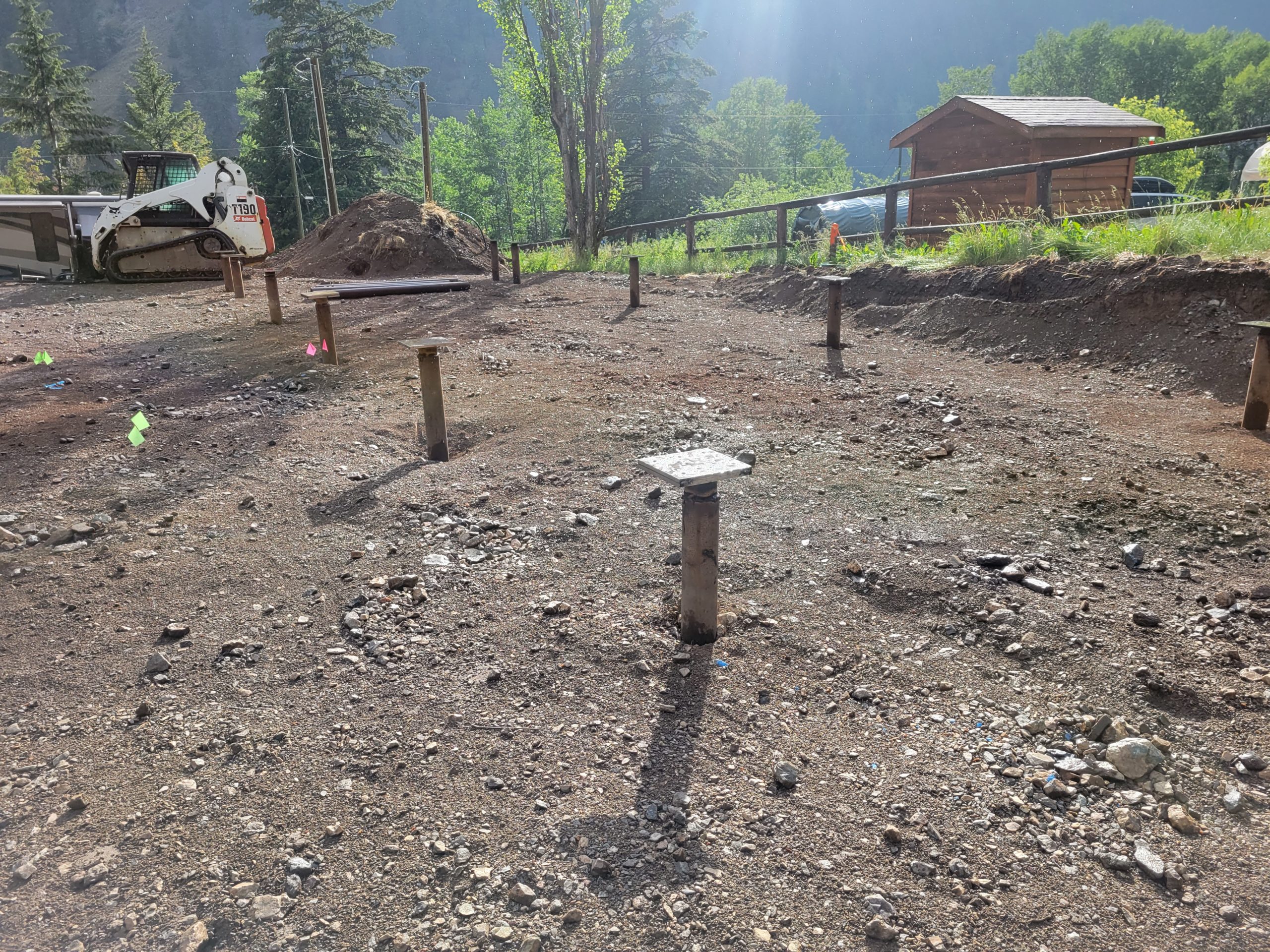
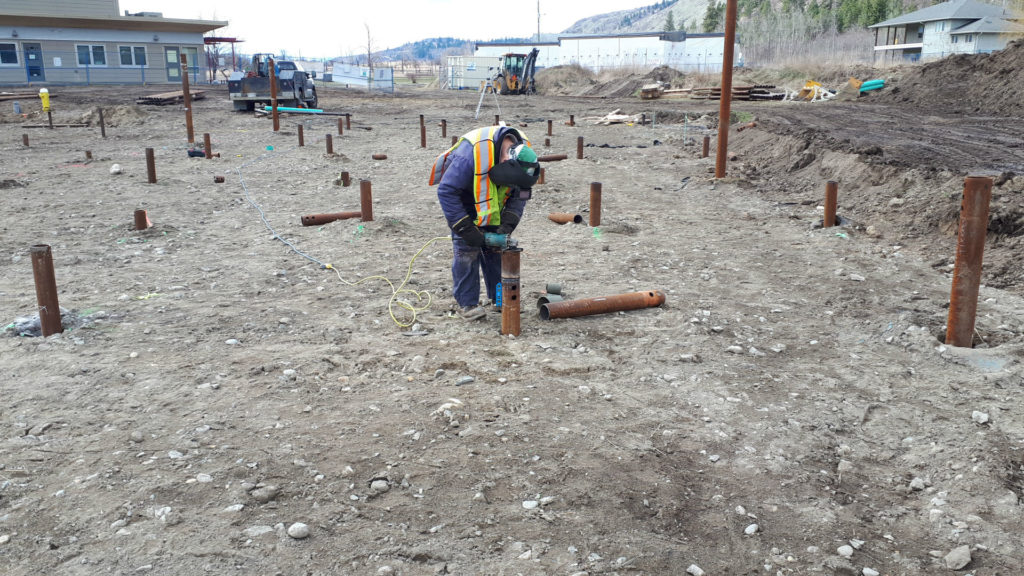
The innovative design of helical piles significantly reduces installation time compared to conventional options. They can immediately support loads after installation, ensuring a rapid turnaround on your foundation projects.
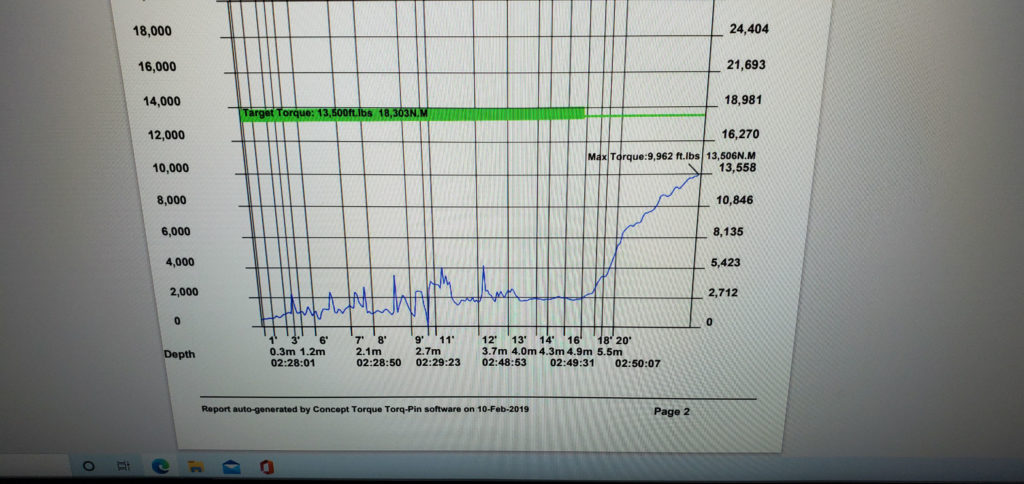
The True Helix design enables the helical pile to be turned into the ground quickly and accurately without the noise and vibrations caused by a pile driver. It also dramatically increases bearing capacity and pull-out resistance.
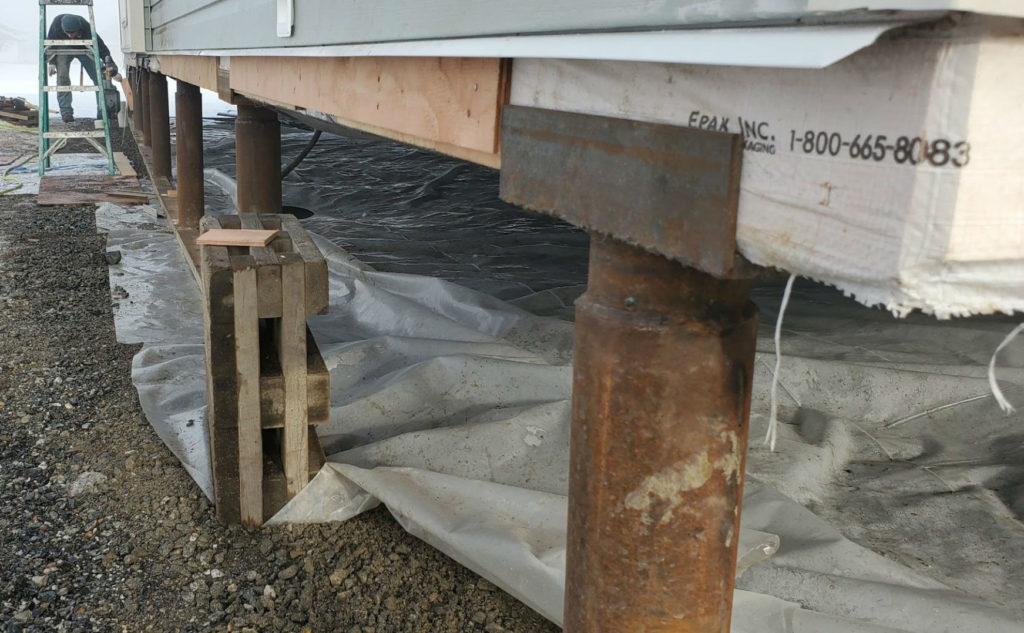
Helical piles offer a cost-effective alternative to conventional foundation products due to their faster installation time, reducing your overall Total Installed Cost.
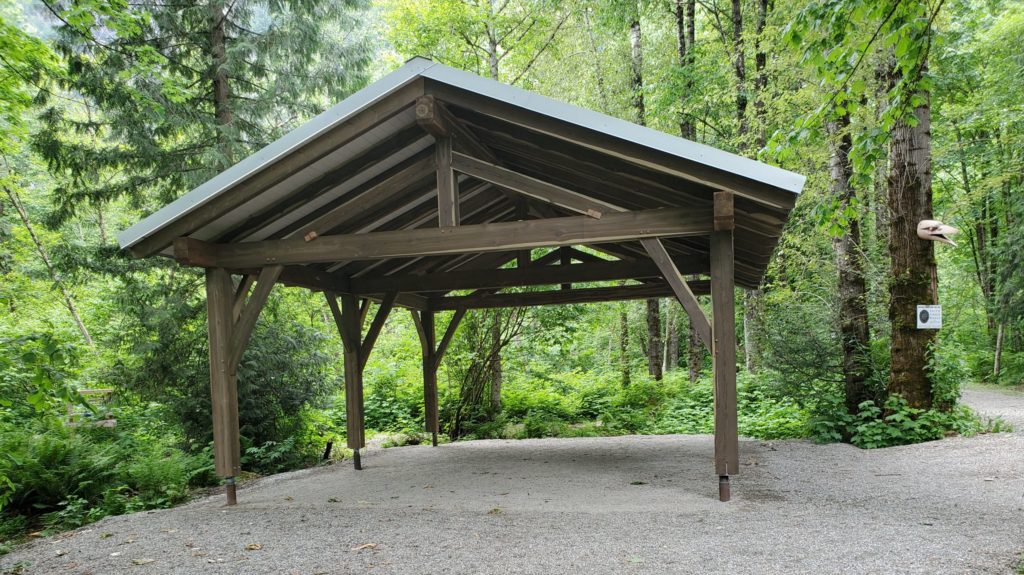
Helical piles provide a smaller environmental footprint than traditional options, making them the preferred sustainable choice for businesses.
They can also be easily removed and reused, offering an efficient solution to your foundation challenges.
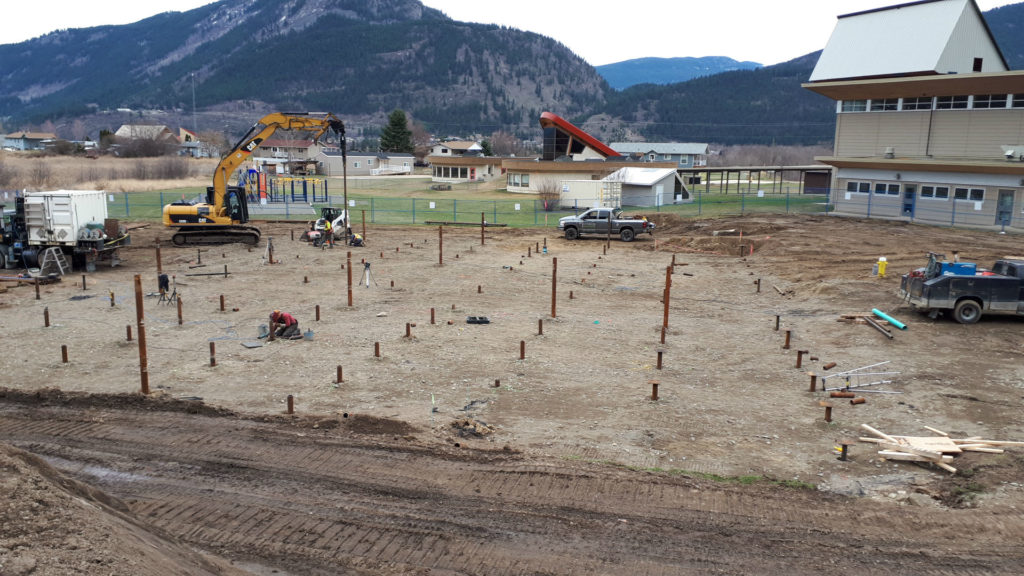
We are committed to ensuring that every helical pile meets the highest quality standards before leaving our supplier’s facility. Our dedication to meeting CSA and ISO standards guarantees that you use the best piles for the job.
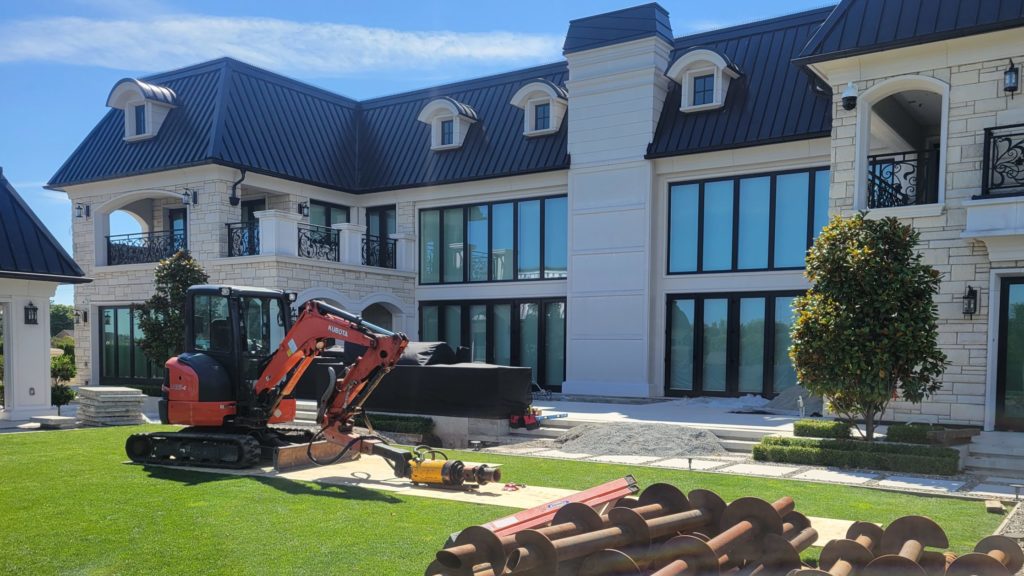
Valley Piling’s helical piles are designed to withstand even the most challenging conditions, ensuring exceptional performance across diverse soil types and environments.
Helical piles offer outstanding resistance to seismic activity, making them a preferred solution in earthquake-prone regions.
The spiralled plates on the piles provide a secure grip in the soil, reducing the risk of displacement during ground shaking.Additionally, their design flexibility allows them to be installed at various angles to enhance stability during seismic events further.
Feature | Helical Piles | Traditional Foundations |
|---|---|---|
Installation Speed | Rapid installation – piles are often installed in a single day. | Longer site prep, install, & curing time required. Often several days or more. |
Site Impact | Limited excavation needed, preserving natural terrain. | Larger excavation typically required, altering natural landscape. |
Eco-Friendly Impact | Minimal soil disruption with less waste and reduced carbon footprint. | More excavation, leading to greater soil disturbance and potential waste. |
Load Capacity | Piles are immediately load-bearing upon installation. | Requires curing time before becoming load-bearing. |
Flexibility | Adaptable to various soil conditions and terrains. | Dependent on site conditions, may require extra treatments. |
Depth | Can be installed to various depths to reach load-bearing strata. | Depth is often limited by excavation challenges. |
Weather Constraints | Can be installed in various weather conditions, including cold and wet climates. | Wet or cold weather can delay installation and curing. |
Environmental Concerns | Uses fewer materials and produces less waste. | Production of concrete contributes to CO2 emissions; waste from overages. |
Site Accessibility | Ideal for tight spaces or remote locations without major equipment. | Requires significant access for equipment and material delivery. |
Longevity and Maintenance | Corrosion-resistant, durable with minimal maintenance needs. | Susceptible to cracks and degradation, might require repairs. |